DartWorld
- Principal investigator
- Seth Looper
- My role
- Founder and lead designer (DALI Lab as build partner)
- Past collaborators
- Lin Liu, Xiaoxi Tan, Tianyi Tan (2025)
- Build partner
- DALI Lab, Dartmouth College
- Institution
- Dartmouth College
- Period
- 2024–present
- Cohort
- Pilot participants; ongoing rolling deployment
- Status
- Active
- Addresses
- RQ 1 · RQ 2
- Methods used
- Archetype clustering, Longitudinal journaling, Spatial mapping
What this report argues, how far the evidence currently goes, and what would settle it. The lab states this up front so a reader can weigh the work honestly.
Most career offices work the same way: a student walks in, talks for thirty minutes, and leaves with a to-do list. That works if you already know what you want. Most students don't.
At Dartmouth, students show up well-prepared academically but without much practice thinking about who they are outside a transcript. The tools they get, personality quizzes, job boards, alumni directories, assume you already know yourself. They treat identity as something fixed, not something you figure out over time. There was no place designed for the slower work of sorting through what actually matters to you.
We wanted to know: could you build a digital environment that helps students do that kind of thinking, not in a one-off session, but across an entire term?
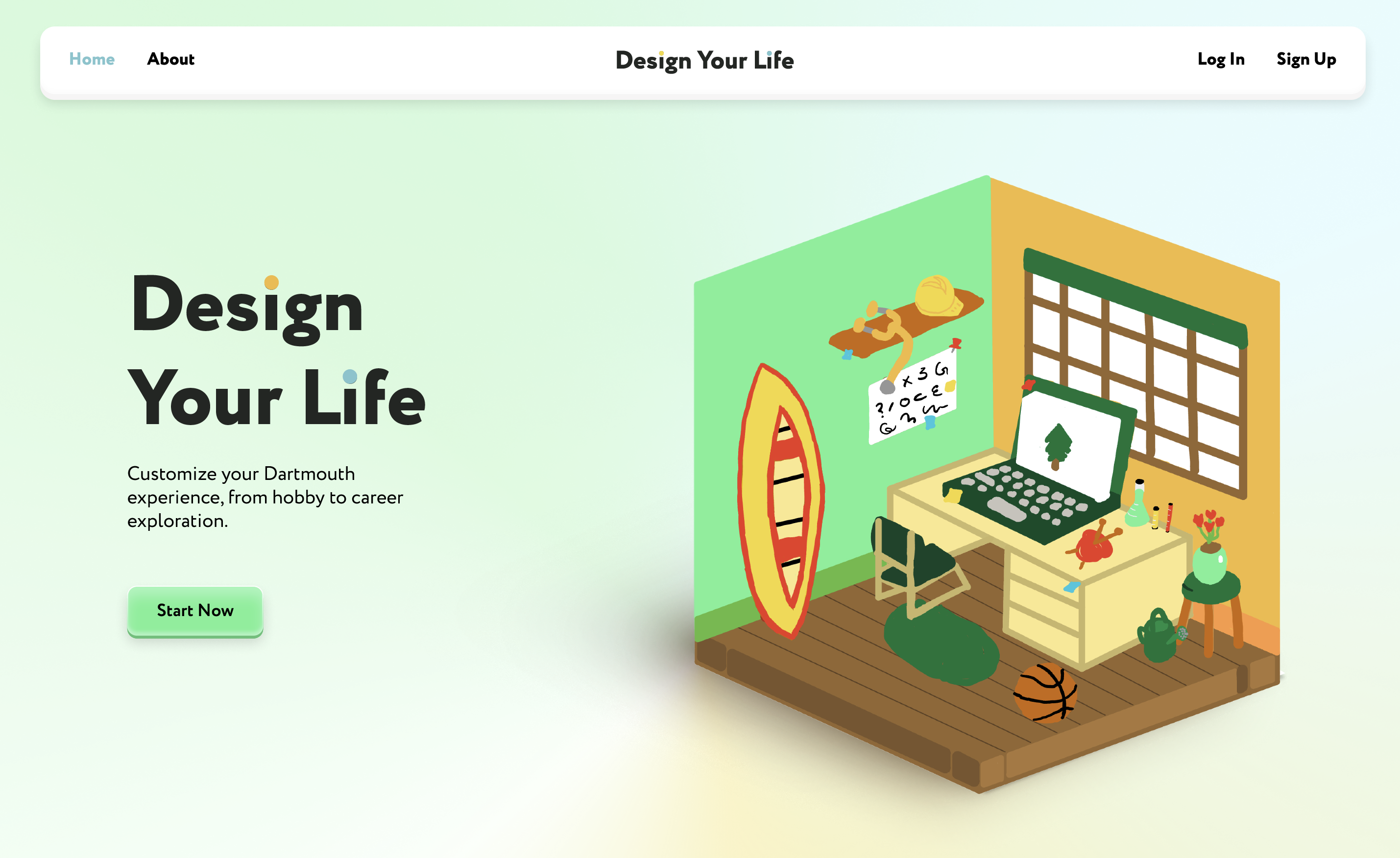
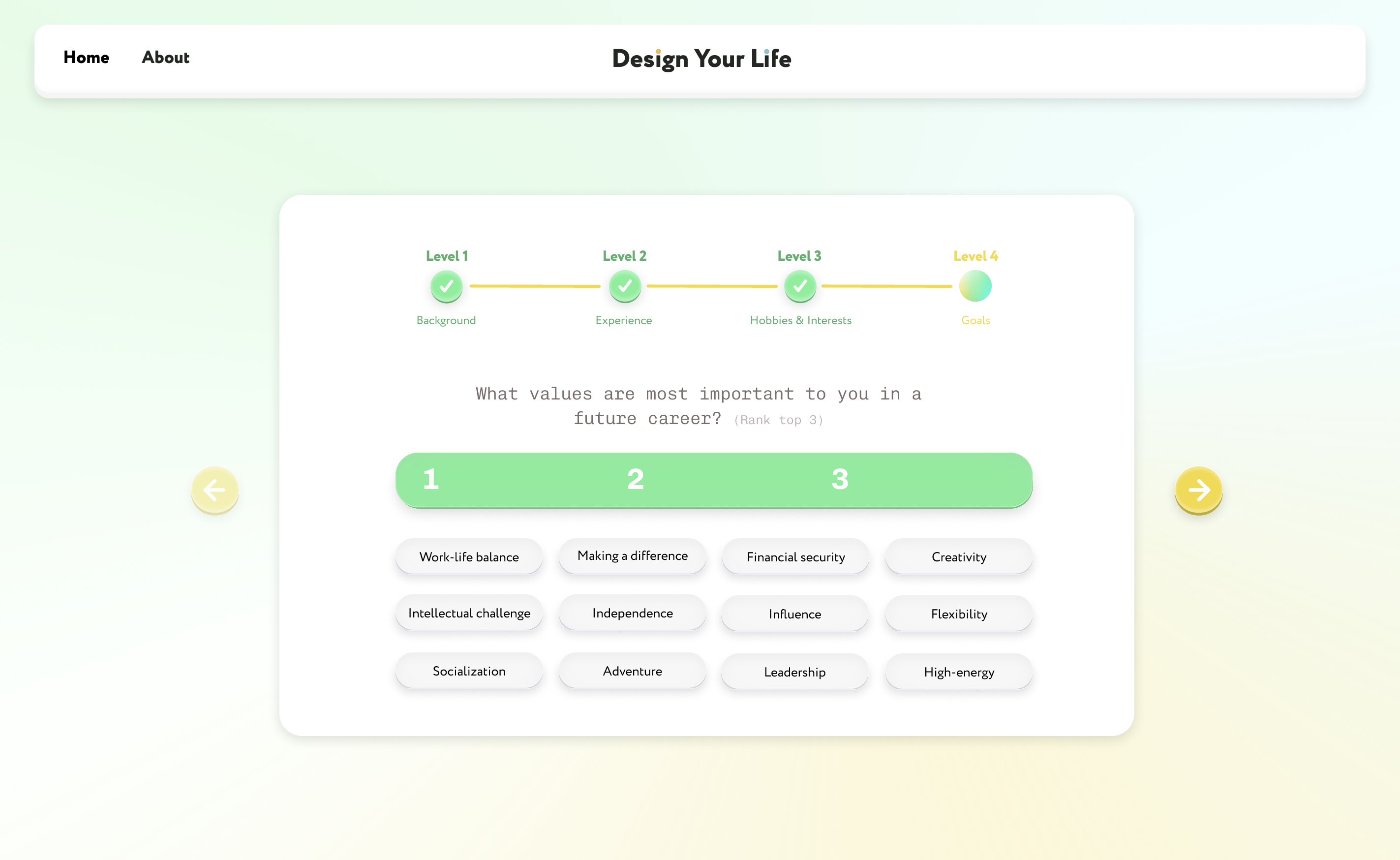
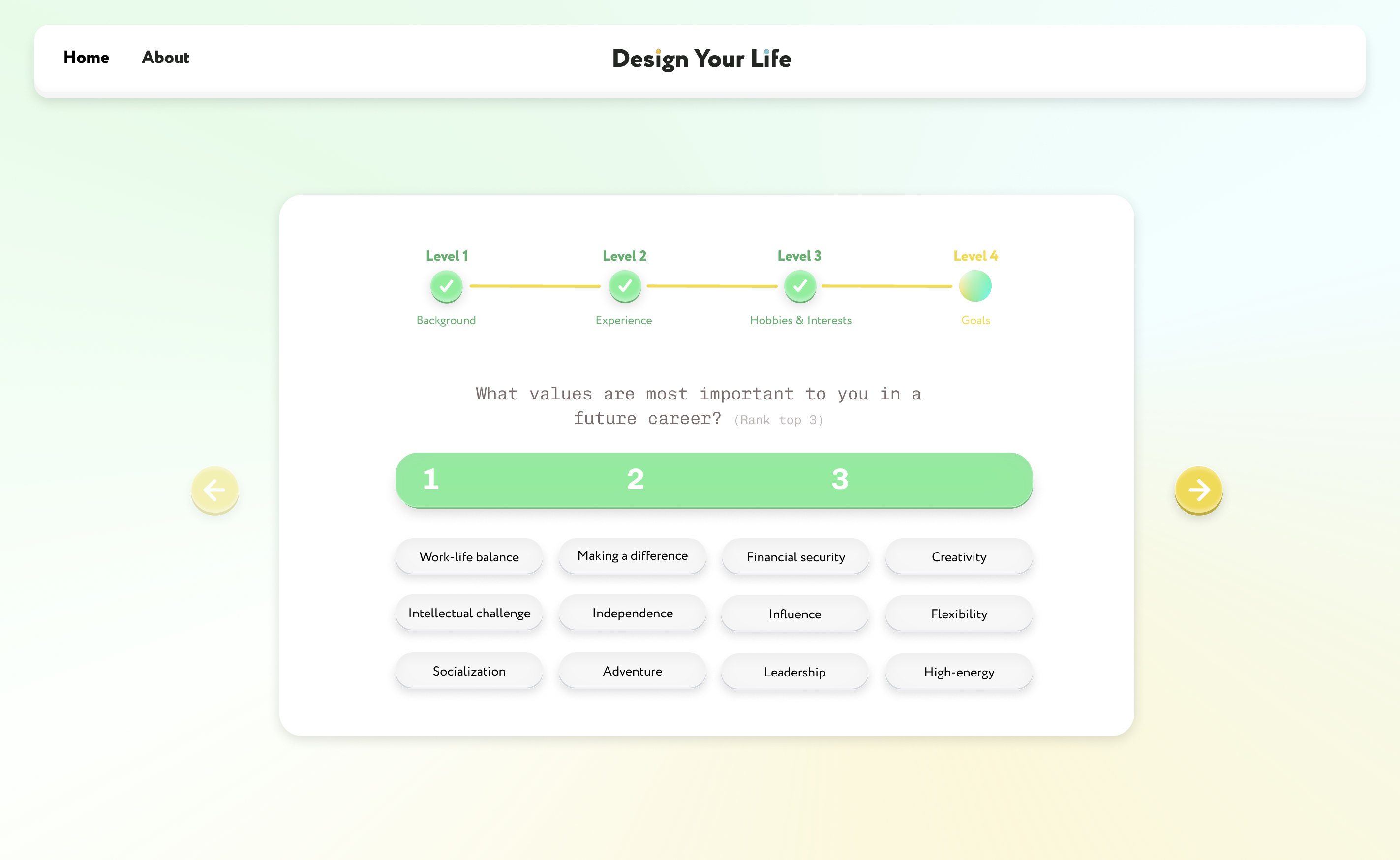
DartWorld has three parts: a reflective onboarding quiz, a 3D world you can walk through, and a journal where you track how your thinking changes. We built each piece separately, tested it with students, and then connected them.
DartWorld rests on a small number of frames from identity development, transformative learning, and design pedagogy. Each shaped a specific decision.
The three onboarding archetypes (Explorer, Seeker, Achiever) are a deliberate simplification of James Marcia's identity statuses (Marcia, 1966), the foundational four-state vocabulary in adolescent identity research. We collapsed the four into three to keep the onboarding light, and named them in language a Dartmouth undergraduate would use without resistance. The archetypes aren't predictions; they're starting positions. (The lab's Career development as learning note has more on why categorical-but-revisable labels matter.)
The onboarding is engineered to produce a small disorienting dilemma (Mezirow, 1997): the moment when a student's self-image and the archetype they land on disagree, and they have to do work to integrate the gap. Mezirow's transformative-learning framework predicts that this disagreement, not the agreement, is where reflection actually starts. The whole onboarding flow is built around producing it.
The 3D navigable environment over a scrollable list comes from two places at once: Burnett & Evans's Designing Your Life (2016) and its wayfinding metaphor (careers as a landscape to walk through), and the broader observation, documented in the lab's Maps over lists note, that the first-three-result attention attractor is what makes traditional career tools fail at exploration.
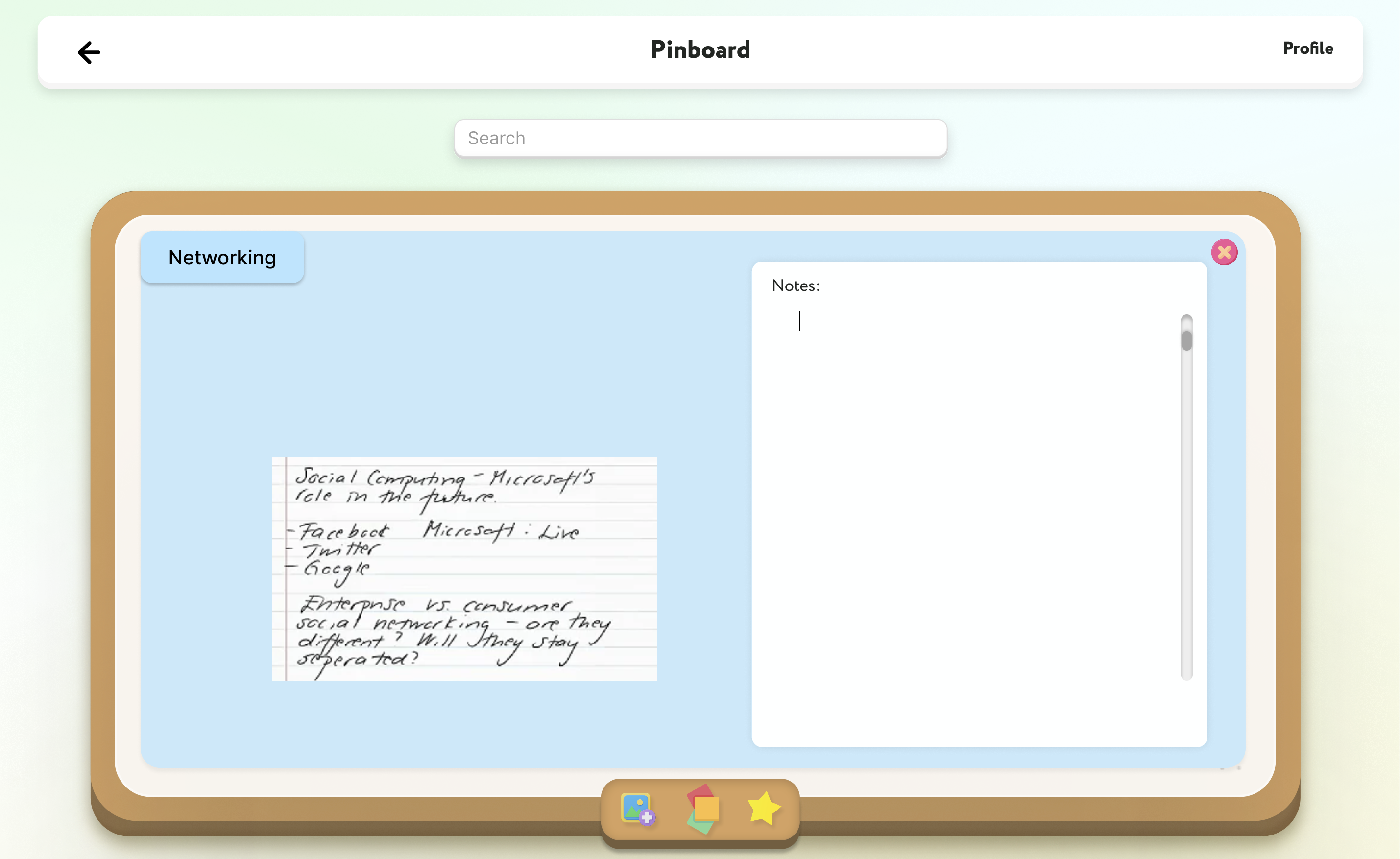
The longitudinal journaling pinboard treats career deliberation as experiential learning in the Kolb sense (Kolb, 1984): concrete experience → reflective observation → abstract conceptualization → active experimentation, on a multi-term clock. The whole platform's developmental target is Baxter Magolda's self-authorship (Baxter Magolda, 2001): the capacity to author your own life rather than receive it.
The full set of cited works is in the working paper.
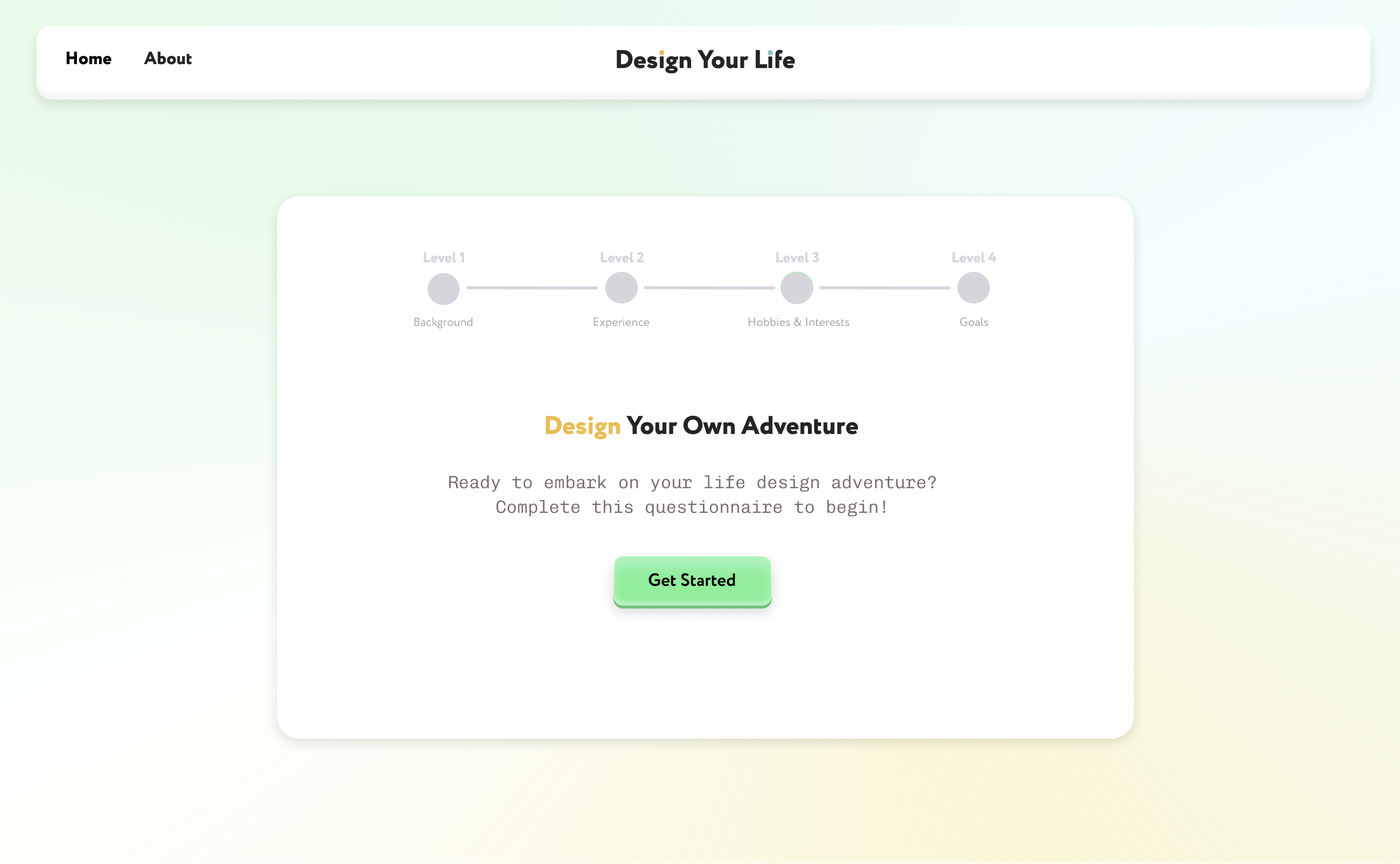
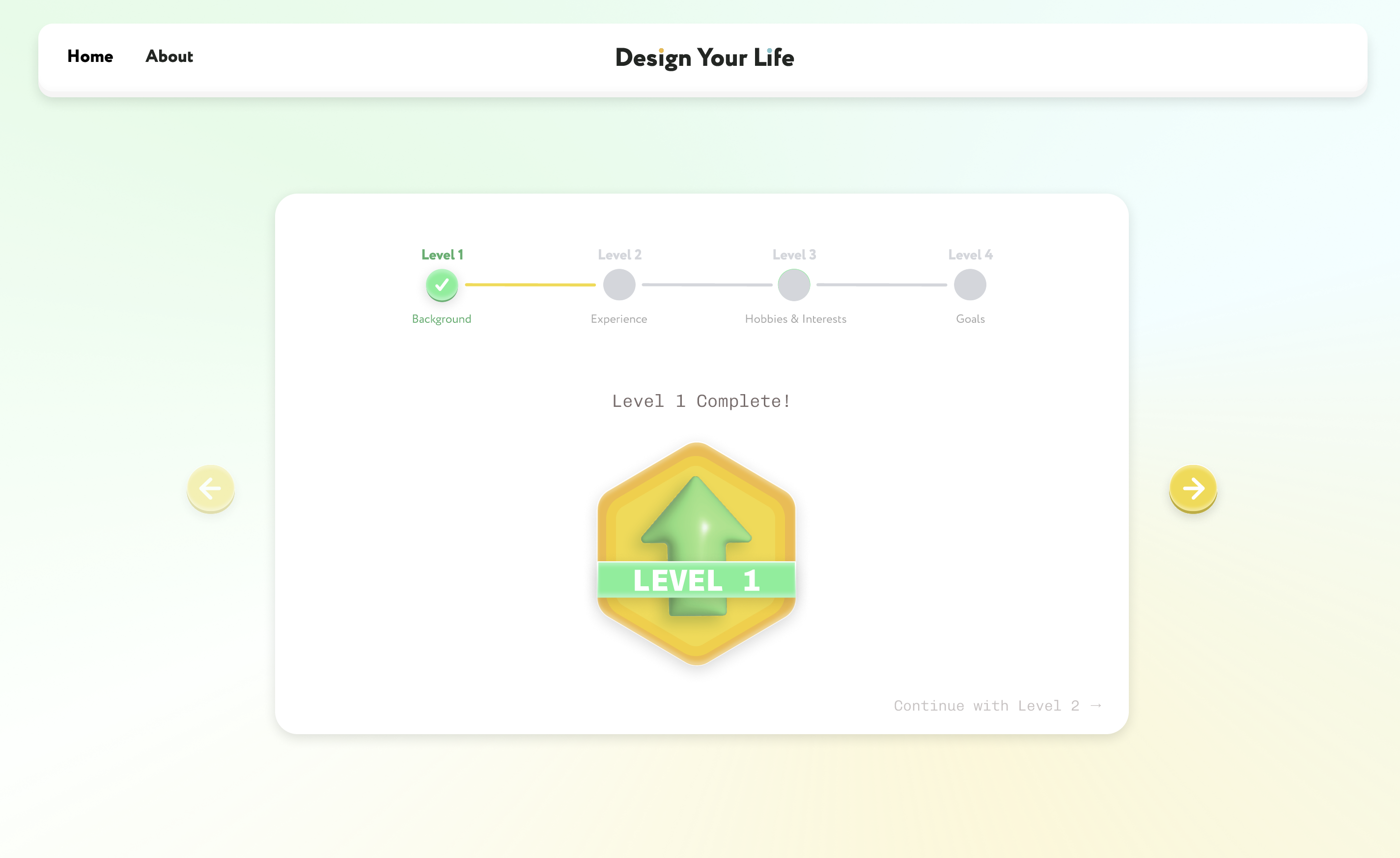
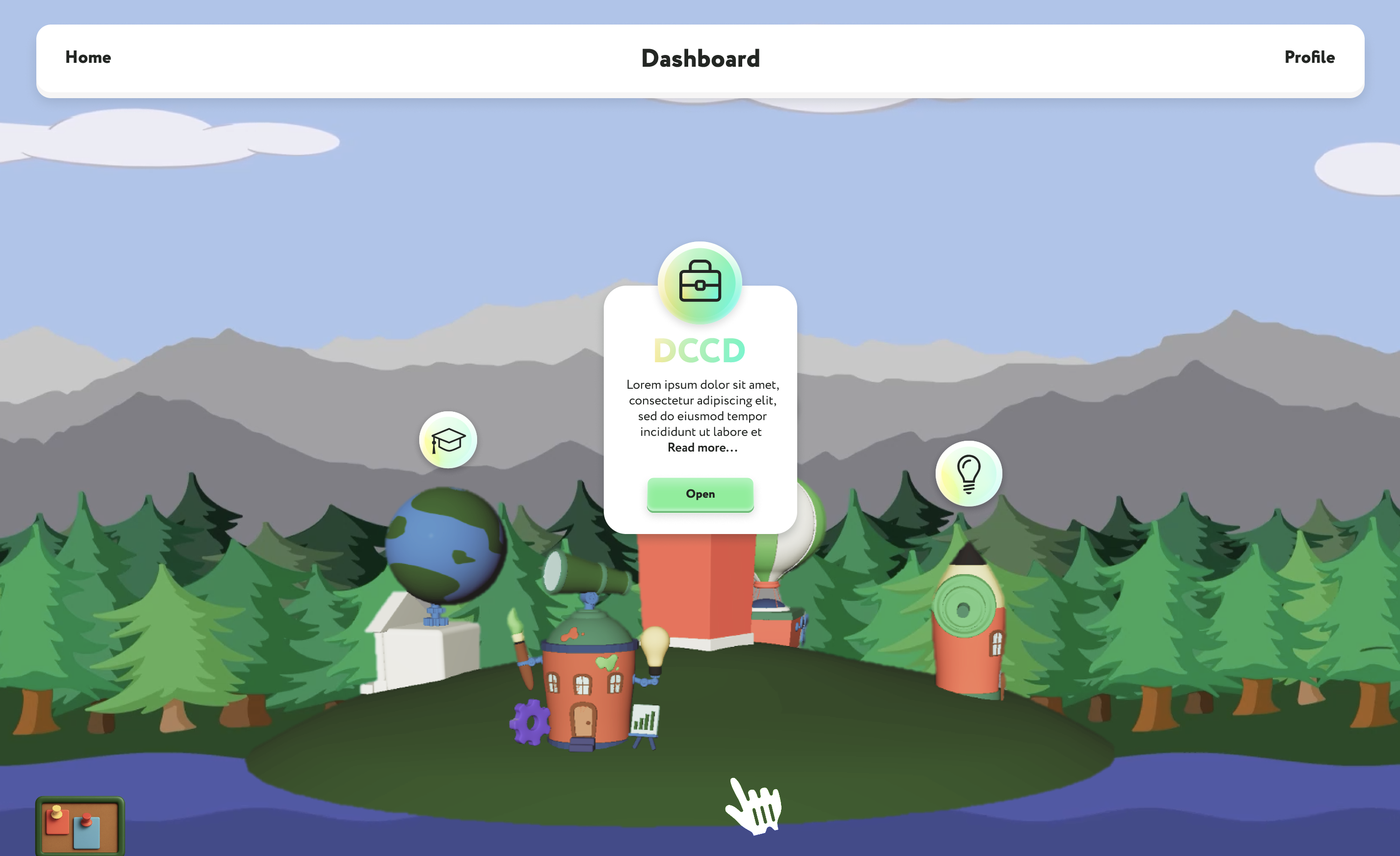
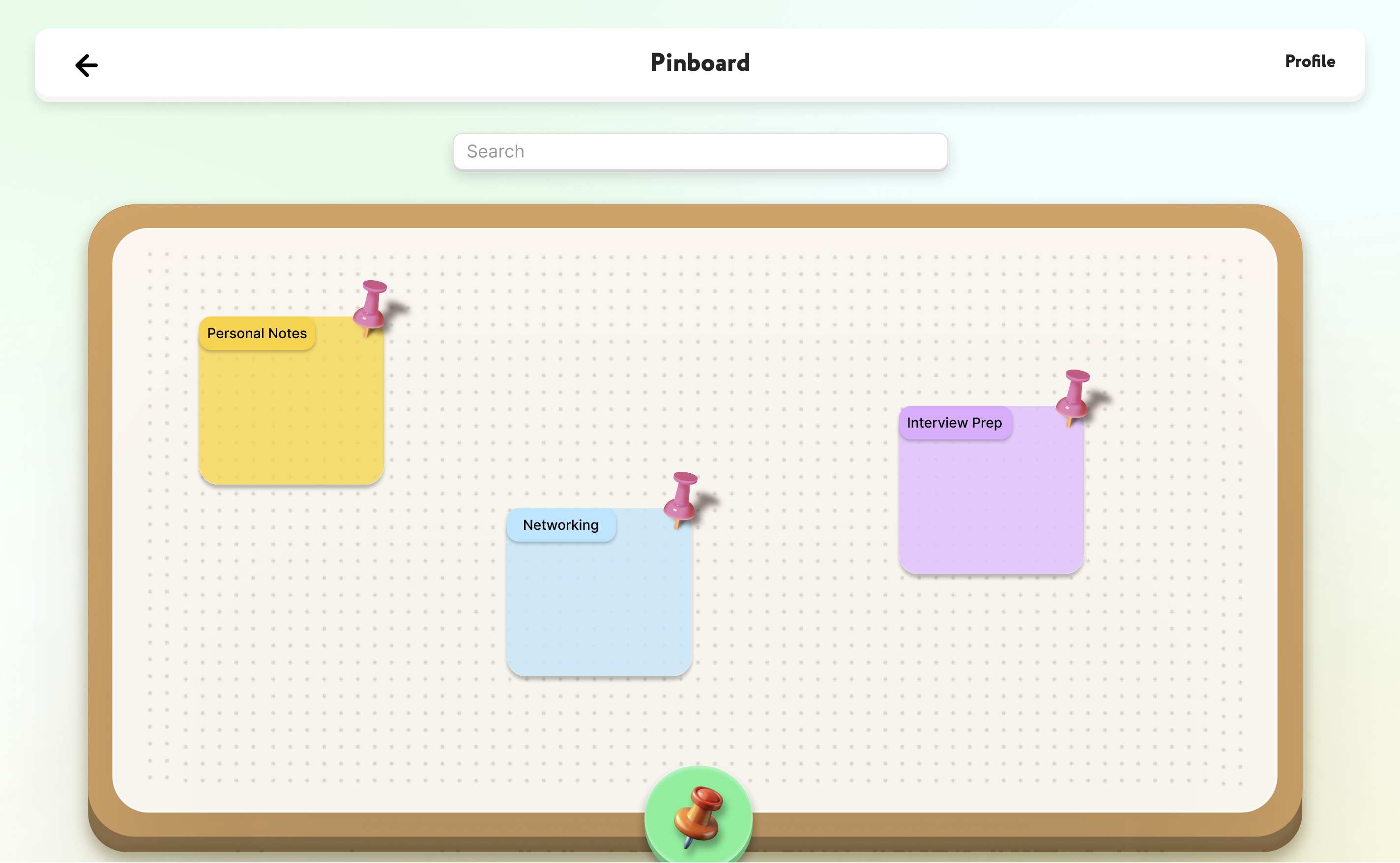
We built DartWorld with Dartmouth's DALI Lab, a student-led technology lab that pairs undergrads with outside partners on real products. The development team changed every term, roughly every ten weeks. Each new group of student developers picked up where the last one left off, working from a design brief shaped by the previous round of user research.
That constraint turned out to be useful. No single team could hold the whole system in their heads, so the design had to be modular. Decisions had to be written down. And each ten-week cycle became a design-iteration unit: ship a version, observe how students use it through informal facilitator and design-team review, document what is and isn't working, and redesign for the next cycle.
Over multiple terms, we made major changes to the onboarding flow, navigation, and data architecture. Each revision came from design-team observation and the lead author's own use of the platform with students in his courses, not from a formally collected human-subjects study.
A few patterns the design-team review surfaced across iterations. Each of these is a design-rationale claim the working paper documents in §5; whether they hold at the strength implied is part of the open empirical agenda the lab does not yet have IRB infrastructure to test.
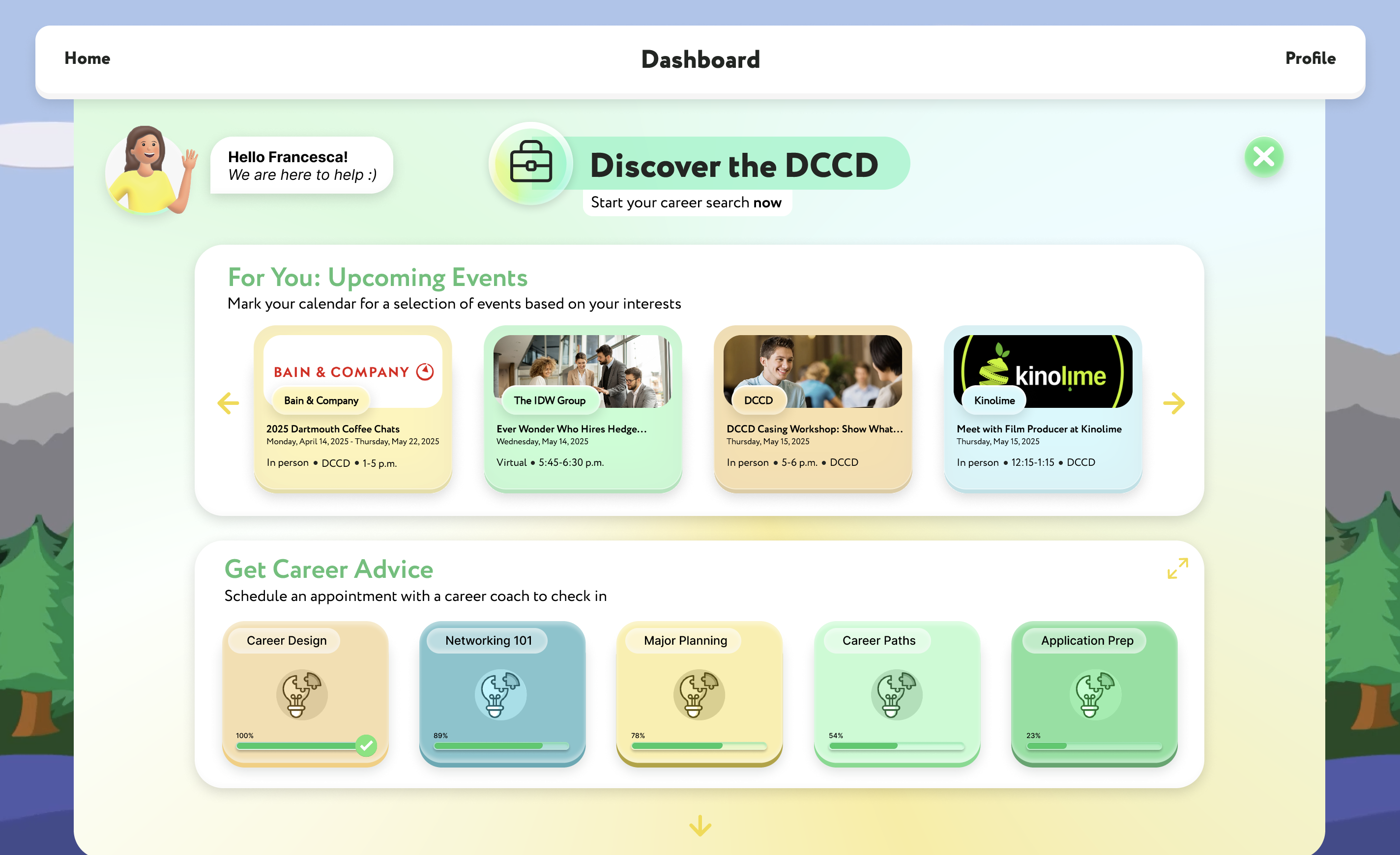
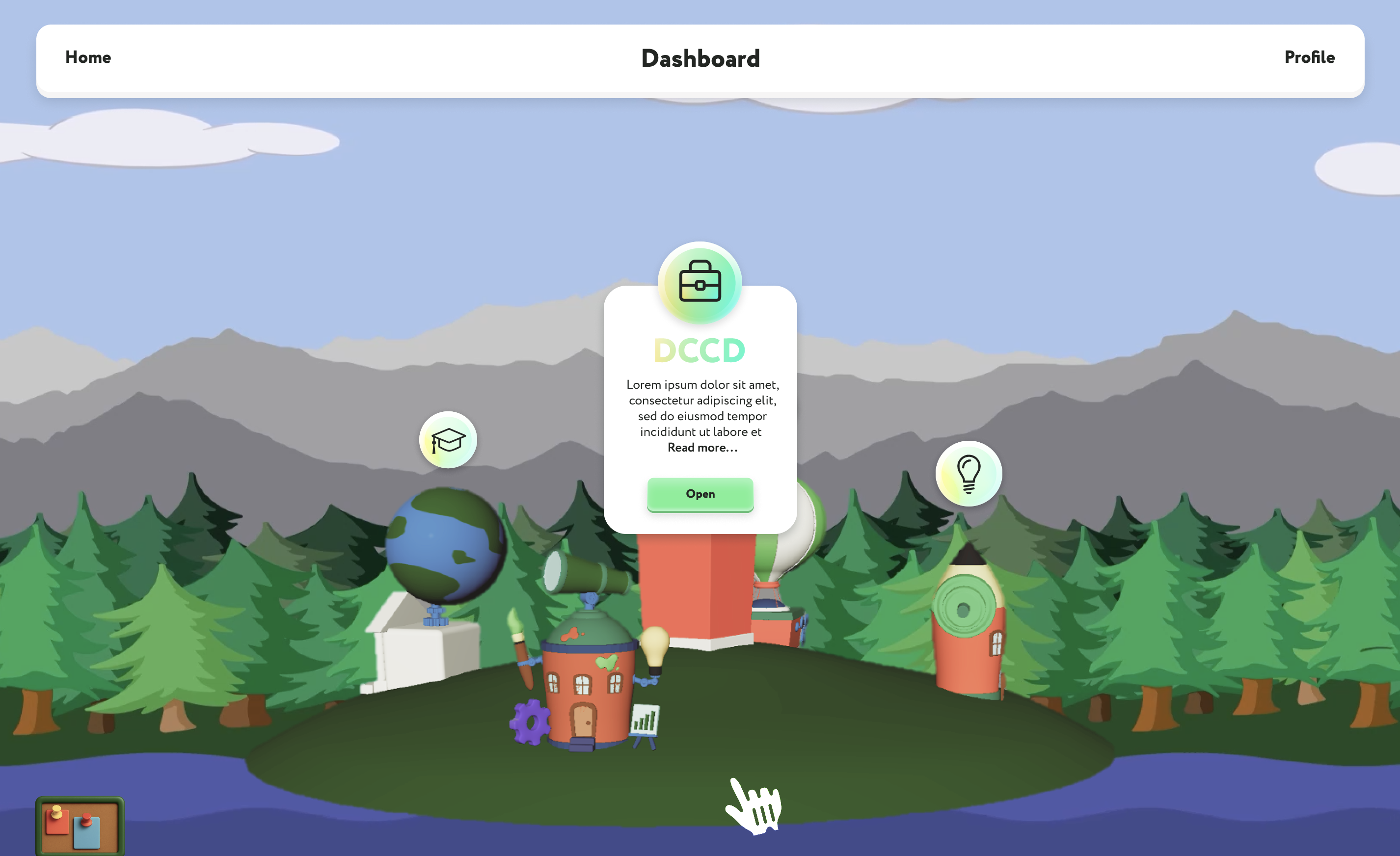
DartWorld is still running at Dartmouth College. The platform has been through multiple major development cycles with the DALI Lab and has been deployed across multiple academic terms. Whether the archetype a student chooses during onboarding shapes the kind of reflection they do over the rest of the term is one of the open empirical questions the lab plans to study under a future consent and review process.
The project also produced two standalone tools, the reflective onboarding quiz and the journaling pinboard, that we now use independently in other programs.
Looper, S., with the DALI Lab. (2025). A Place to Walk Through: Spatial Narrative Platforms for Sustained Career Reflection at Cohort Scale. Lo/Be Lab Working Reports, 2025-03. [pdf]
See the full abstract on the publications page.
Material on this site may be cited and reused freely, provided that it is duly credited as a project of Lo/Be Lab and that a copy of any publication referencing the work is sent to seth.looper@gmail.com.
For citation requests, collaborations, or pushback on a published claim, seth.looper@gmail.com. Site licensed under CC BY-NC 4.0.